
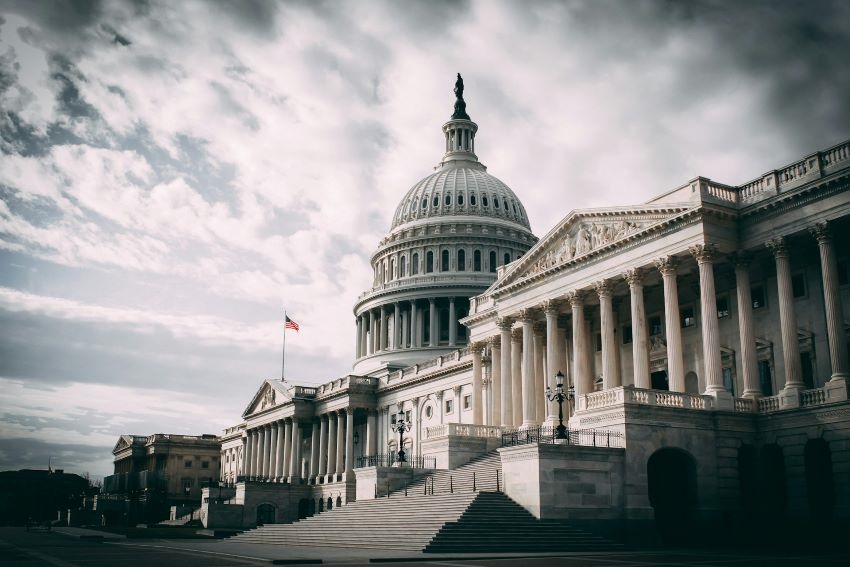
The debate over online gambling is gaining momentum in New Hampshire. Lawmakers in the state Senate are currently reviewing a bill that could pave the way for legal and regulated online poker, casino games, and sports betting expansion. If passed, the new legislation would mark a significant shift in New Hampshire’s gaming landscape, aligning the state with others that have embraced regulated online gaming.
The Proposal and Its Implications
The proposed legislation seeks to authorize online gambling under a regulated framework overseen by the New Hampshire Lottery Commission. This would allow licensed operators to offer online poker, slots, and table games to residents. The bill comes at a time when states across the U.S. are increasingly turning to online gaming as a source of tax revenue.
Currently, New Hampshire permits retail casinos and charitable gaming operations, as well as online sports betting through DraftKings. However, online poker and casino games remain unregulated. Proponents argue that legalization would provide consumer protections, generate state revenue, and modernize the industry to keep up with changing player preferences.
Economic and Regulatory Considerations
One of the key factors driving the push for legalization is the potential tax revenue. States with regulated online gambling have reported millions in annual tax collections, with proceeds often allocated to public education, infrastructure, and social programs.
New Hampshire’s bill proposes a taxation model that would ensure a portion of the revenue is directed toward state programs. The specific tax rates and licensing fees are still under discussion, but early projections suggest a significant financial upside.
On the regulatory side, the New Hampshire Lottery Commission would be responsible for overseeing licensing, compliance, and player protection measures. This includes safeguards against underage gambling, responsible gaming initiatives, and security protocols to prevent fraud.
Opposition and Concerns
Despite the potential benefits, the bill faces opposition from some lawmakers and community groups. Critics argue that expanded online gambling could lead to increased problem gambling rates and social issues. Concerns have also been raised about competition with the state’s existing charitable gaming industry, which relies on physical gaming establishments.
Some senators have expressed hesitation, pointing to the need for further research on the long-term effects of online gambling legalization. Others remain skeptical about whether the projected revenue will outweigh potential risks.
A Step Toward Online Poker Regulation?
For poker players in New Hampshire, the bill could open doors to a legal and regulated online poker market. With neighboring states like Pennsylvania and New Jersey already offering online poker, New Hampshire players currently have limited legal options for playing online.
If the bill passes, it could position New Hampshire as a new player in the U.S. online poker ecosystem. However, details such as interstate poker agreements, rake structures, and licensing partnerships would need to be finalized before a full rollout.
What Comes Next?
The bill is still in its early stages, with committee hearings and legislative debates expected in the coming months. If it gains traction, New Hampshire could join the growing list of states embracing online gambling as part of their broader gaming industry.
As lawmakers continue deliberations, the future of online poker and casino gaming in New Hampshire remains uncertain. However, the fact that the discussion has reached the state Senate indicates a shifting attitude toward online gambling regulation in the region.