

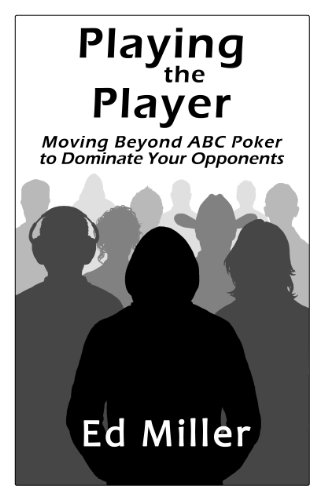
Playing the Player
- Book Title:Playing the Player
- Author:Ed Miller
- Publication Date:July 15, 2012
- Publisher:ConJelCo
- Language:English
- Number of pages:336 pages
- Dimensions:6 x 0.8 x 9 inches
- Weight:12 ounces
Pokercine rating:
4.5 stars
Ed Miller’s Playing the Player is not just another poker book; it’s a whirlwind tour through the psychological battlefields of the game, geared especially towards the modern, young player who is ready to take their game beyond the basics. With Miller’s sharp insights and practical strategies, this read feels like you’re being mentored by a poker sage who knows exactly what it takes to dominate today’s dynamic game. His witty and relatable writing makes the complex concepts accessible, creating an engaging read that resonates well with those looking to seriously upgrade their poker skills. Definitely a must-read in the Pokercine universe for anyone aiming to not just play the cards, but play the player.
Summary of the content:
Ed Miller’s Playing the Player is a deep dive into the strategic world of poker, focusing on the psychological and adaptive aspects of the game. Miller proposes that the key to long-term success in poker is not just playing the cards you’re dealt but playing the person across the table. He emphasizes the importance of understanding various player types, adapting your strategy accordingly, and exploiting their weaknesses.
The book is divided into comprehensive sections designed to guide the reader through the process of identifying different player styles, ranging from the tight-passive “rocks” who play very few hands to the aggressive “maniacs” who bet and raise at every opportunity. Miller provides nuanced strategies for dealing with each type of player, highlighting the importance of position, betting sizes, and the psychological warfare involved in making your opponents make mistakes.
Furthermore, Miller doesn’t just stick to high-level theory. He includes practical advice on how to read hands, how to categorize players quickly and accurately, and how to adjust one’s play in real-time to gain the upper hand. He also delves into topics like bluffing, semi-bluffing, and understanding the intricacies of pot odds and equity, presenting them in an easy-to-understand manner that demystifies these complex concepts.
Another cornerstone of the book is its emphasis on self-reflection and continuous improvement. Miller encourages readers to analyze their play, understand their tendencies, and adjust their strategies as they evolve as players. This focus on adaptability and growth is what sets Playing the Player apart from many other poker guides, making it an invaluable resource for players looking to continually improve and stay ahead of the competition.
Throughout the book, Miller’s writing is clear, concise, and filled with relatable examples and humor. His approach makes the book not just an instructional guide but an enjoyable read that resonates with poker enthusiasts at all levels, from beginners to seasoned pros.
“The goal in poker is not just to play well, but to play better than your opponents.”
Ed Miller
Critical analysis:
Ed Miller’s Playing the Player stands out in the vast ocean of poker literature for its focus on the meta-game and the psychology of poker rather than just the cards and the mathematics. This approach is both its most significant strength and its source of limitations.
One of the book’s strengths is its comprehensive breakdown of player types and the strategies to employ against them. Miller’s insights into the psychology of poker players and how they interact with the dynamics of the game are invaluable. He provides readers with the tools to not only analyze their opponents but to also understand their own playing style and how it’s perceived at the table, allowing for a level of self-awareness that is crucial in becoming a successful player.
However, the book’s focus on playing the player might lead some readers to undervalue the importance of solid fundamental play and the mathematical aspect of the game. While Miller certainly doesn’t ignore these elements, the emphasis is clearly on psychological and adaptive strategies. Players who are new to poker or those who are struggling with the basic aspects of the game might find themselves outmatched if they prioritize reading players over understanding the fundamental principles of winning poker play.
Another potential drawback could be that the adaptive play style recommended by Miller requires a significant amount of mental energy and focus, which might be challenging for novice players to maintain over long sessions. Additionally, the effectiveness of these strategies can diminish as the level of competition increases, where players are less likely to exhibit the exploitable behaviors that less experienced players do.
What you will learn:
In Playing the Player, readers will embark on a comprehensive journey through the intricacies of poker strategy focused on the psychological aspect of the game. You’ll learn to identify and exploit various player types, understanding that each opponent brings a unique set of tendencies to the table that can be leveraged to your advantage. Miller teaches the art of categorization, stressing the importance of adapting your play to counter your opponents’ strategies effectively.
Readers will also delve into advanced concepts such as hand reading, the significance of betting patterns, and the psychology behind bluffing and tells. These sections are designed to sharpen your observational skills, enabling you to make more informed decisions based on the actions and reactions of your opponents.
Moreover, Miller emphasizes the importance of self-analysis and adaptability. As the game evolves, so too should your strategies. Understanding your own playing style and recognizing how it can be perceived and exploited by others is crucial. This self-awareness, combined with the ability to adapt and evolve, forms the cornerstone of Miller’s philosophy for long-term success in poker.
The book also touches on the broader implications of player dynamics, including table image and the metagame, providing readers with a holistic view of what it takes to excel in the modern poker environment.
Why you should read it:
For anyone serious about elevating their poker game, Playing the Player by Ed Miller is an indispensable resource. Its focus on the psychological and adaptive aspects of poker, beyond the mere mechanics of play, offers invaluable insights that can dramatically improve how you approach the game. The strategies and concepts covered in the book are applicable in a wide range of poker games, making it a versatile and practical guide for players looking to gain a competitive edge. Whether you’re a beginner seeking to understand the nuances of the game or a seasoned pro looking to refine your strategy, Miller’s expertise can help you outmaneuver your opponents in any situation. Investing your time in reading this book is investing in your growth and success as a poker player.
Conclusion:
Playing the Player by Ed Miller is much more than a typical poker strategy guide; it’s a comprehensive exploration of the psychological warfare that underpins high-level poker. While it doesn’t replace the need for a solid foundation in the fundamentals of the game, it superbly complements it by teaching how to adapt and thrive in the ever-changing landscape of poker dynamics. Whether you’re grinding small stakes online or facing off against seasoned pros at the casino, Miller’s insights can give you the edge you need to come out on top. Engaging, insightful, and filled with actionable advice, Playing the Player is a must-read for anyone looking to take their poker game to the next level.