
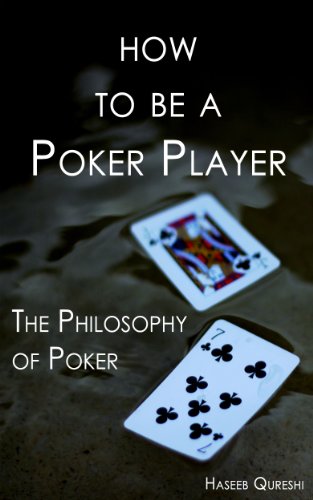
How to Be a Poker Player – The Philosophy of Poker
- Book Title:How to Be a Poker Player – The Philosophy of Poker
- Author:Haseeb Qureshi
- Publication Date:2022
- Publisher:Poker Publications
- Language:English
- Number of pages:240
- Dimensions:6 x 9 inches
- Weight:12 ounces
Pokercine rating
4.2 stars
“How to Be a Poker Player: The Philosophy of Poker” by Haseeb Qureshi is more than just a book; it’s a journey into the mind of a professional poker player. The book stands out not only for its unique approach to the game but also for the depth of its philosophical insights. We have praised it for its thought-provoking content, its ability to transcend the typical poker strategy guide, and its exploration of the mental and psychological aspects of poker. This book has clearly made a significant impact on its reader, offering a blend of practical advice and philosophical musings that resonate well beyond the poker table.
Summary of the content
“How to Be a Poker Player: The Philosophy of Poker” by Haseeb Qureshi isn’t your typical poker strategy book. Instead, it delves deep into the psychological, philosophical, and strategic elements that underpin the game of poker. Qureshi, a former professional poker player turned philosopher, draws from his extensive experience to explore themes such as decision-making, the concept of luck versus skill, emotional control, and the importance of self-reflection and continuous learning in poker.
The book begins by challenging the reader’s preconceived notions about poker, suggesting that success in the game is not solely about mastering strategies or techniques, but about understanding oneself and one’s opponents on a deeper level. Qureshi discusses the significance of mindset, the psychological battles that occur at the poker table, and how one’s personal philosophy can influence their approach to the game.
Through a mix of personal anecdotes, theoretical discussions, and practical advice, Qureshi covers a wide range of topics, including the importance of discipline, the pitfalls of ego in poker, how to handle variance, and the art of reading opponents. He also touches on more abstract concepts, such as the nature of truth and deception in poker and the philosophical implications of gambling.
One of the book’s strengths is its ability to make complex ideas accessible and relevant, not only to poker players but to anyone interested in the broader themes of decision-making, risk management, and personal growth. Qureshi’s writing is engaging and thought-provoking, encouraging readers to question their assumptions and to think critically about the game and about life.
Critical analysis
The book’s greatest strength lies in its unique approach to the subject of poker. Unlike many poker guides that focus solely on strategy and technical aspects, “How to Be a Poker Player” delves into the philosophical underpinnings of the game, offering readers a more holistic view of what it means to be a successful poker player. This approach is both refreshing and enlightening, providing valuable insights that are applicable both at the poker table and in life.
However, this strength could also be perceived as a weakness by readers seeking a more conventional strategy guide. Those looking for specific tips, hand charts, or detailed analyses of game mechanics might find the book’s philosophical discussions less immediately practical. Additionally, the book’s emphasis on personal anecdotes and theoretical musings might not appeal to everyone, particularly those who prefer a more data-driven approach to poker strategy.
Despite these potential drawbacks, the book’s critical reception has been overwhelmingly positive. Readers appreciate Qureshi’s honesty, his willingness to share personal experiences, and his ability to connect philosophical concepts with practical poker situations. The book encourages readers to think deeply about their motivations, strategies, and attitudes, making it a valuable resource for anyone looking to improve not only their poker game but their approach to life’s challenges.
Highlighted quote
“Poker is not just a game of cards; it’s a mirror reflecting our relationship with uncertainty, risk, and our own nature.”
Haseeb Qureshi
What you will learn
In “How to Be a Poker Player: The Philosophy of Poker,” readers will embark on a journey that transcends traditional poker wisdom. This book teaches the importance of understanding oneself, mastering emotions, and developing a philosophical approach to decision-making. Qureshi emphasizes that success in poker is not merely about learning strategies but about cultivating discipline, patience, and a deep understanding of human psychology.
Readers will learn to appreciate the role of variance in poker and life, recognizing that outcomes are not always within our control. The book highlights the significance of continuous learning, self-reflection, and the willingness to adapt. It also delves into the psychological aspects of poker, such as dealing with tilt, understanding the importance of mindset, and the art of reading opponents beyond their physical tells.
Moreover, Qureshi’s insights into the philosophical dimensions of poker will encourage readers to ponder the ethical considerations of the game, the nature of deception, and the concept of luck versus skill. By the end of the book, readers will have gained a comprehensive understanding of what it takes to be not just a successful poker player, but a thoughtful and reflective individual in any endeavor.
Why you should read it
Reading “How to Be a Poker Player: The Philosophy of Poker” is an investment in oneself. This book is not just for those looking to improve their poker game but for anyone interested in exploring the deeper psychological and philosophical aspects of decision-making and risk-taking. Qureshi’s unique perspective and insights offer valuable lessons that extend far beyond the poker table, making it a must-read for anyone seeking to understand the complexities of human behavior and the art of mastering one’s own mind.
Conclusion
“How to Be a Poker Player: The Philosophy of Poker” by Haseeb Qureshi is more than a poker book; it’s a guide to understanding the deeper aspects of the game and oneself. Through a blend of personal anecdotes, philosophical insights, and practical advice, Qureshi challenges readers to think critically about their approach to poker and life. While it may not be a conventional strategy guide, its exploration of the psychological and philosophical elements of poker makes it a valuable resource for anyone looking to elevate their game and their mindset. Whether you’re a seasoned poker player or simply someone interested in the intricacies of decision-making and risk, this book offers a unique and enriching perspective.
Where to buy
Purchase “How to Be a Poker Player: The Philosophy of Poker” on Amazon
